


RECORD RATINGS FOR NHL
TV Ratings for the NHL playoffs are surging and approaching record levels, setting the stage for what could be one of the most-watched Stanley Cup Finals in years. First-round playoff games averaged 1.8 million viewers (up 68% from last year), the second round’s average of 1.9 million set a league record, and the Eastern and Western Conference Finals delivered 2.0 and 2.2 million, respectively. This bodes well for the Final, which features two US-based teams (Vegas and Carolina), where last year’s matchup included a Canadian team (Edmonton). It’s ABC’s turn to broadcast the Final this year, giving the games a broader reach than TNT, who carried the games last year. And, of course, Nielsen’s Big Data + Panel reporting is now in place, boosting reported sports viewership across the industry. (Front Office Sports: June 1, 2026)
SPORTS WILL CONTINUE TO DOMINATE TV SPENDING
Across linear networks and streaming platforms, ad spending in sports is expected to pass $20 billion next year. This growth comes at a faster pace than the TV marketplace overall and is driven by football. NFL and college football account for 60% of sports television ad dollars, and the cost of a Super Bowl spot is reportedly near $10 million. Broadcast TV still represents 80% of the spending, but as more streamers secure the leagues’ carriage rights, we can expect to see the shift to CTV continue. And marketers should keep an eye on youth sports: as distribution expands, there’s additional inventory at more affordable CPMs. (EMARKETER: May 21, 2026)
FAST CHANNELS’ APPEAL GOES BEYOND COST
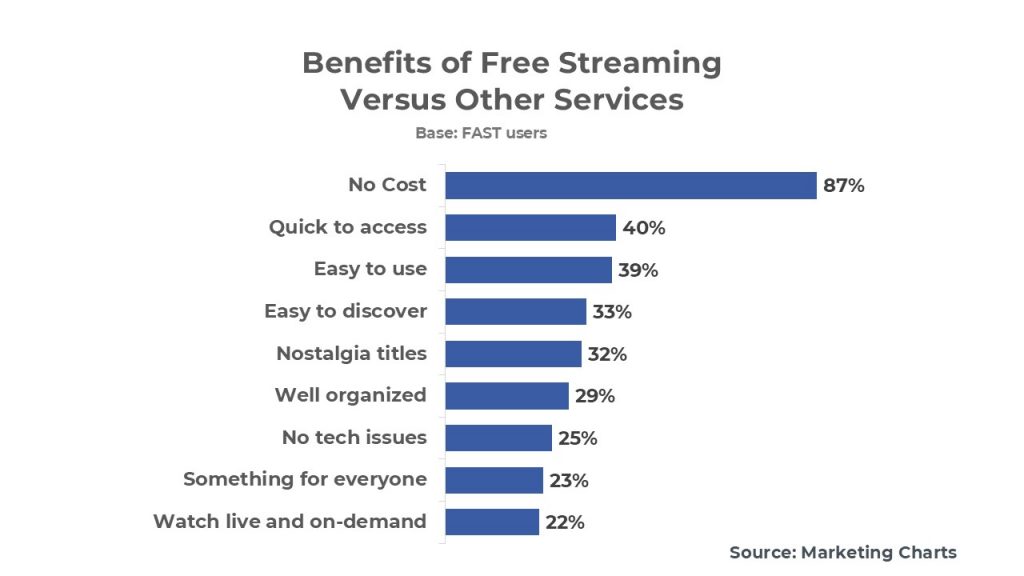
Much has been written, including by us, about the upside of FAST (Free Ad-Supported Streaming Television) channels for consumers looking to cut costs. While that is still the primary appeal, viewers cite other benefits as well. Hub Entertainment Research’s “FAST: Full Throttle” report shows that in addition to the 87% who appreciate no-cost content, 40% of respondents like that FAST channels are “quick to access” and nearly as many (39%) say they’re easy to use. Those who may be frustrated by the user experience with paid services like that titles are “easy to discover” (33%) and that the offerings are “well organized” (29%). The availability of classic TV shows (and, sigh, the ‘90s now count as “classic”) resonated with the 32% who favor the “nostalgia titles.” (Hub Entertainment Research: April, 2026)
POLITICAL AD SPENDING ESTIMATE INCREASED
Earlier this year, the generally accepted estimate of midterm political ad spending was $10.8 billion. That seems almost quaint today now that it’s been bumped up to $13.8 billion. What’s behind this increased projection? For one thing, some races that hadn’t been considered competitive have become very much so, and both major parties are expected to spend heavily in markets nobody had counted on. There has also been more primary ad spending than anticipated, as traditionally “safe” incumbents faced challenges from within their own parties. Even as national “issue campaigns” see greater investment, you know what they say: “All politics are local,” and local TV can expect to see over $5 billion of the midterm ad revenue. (MediaPost: May 20, 2026)
THIS WEEK IN VIDEO HISTORY
June 7, 2024 – CBS NEWS DRAMA (ON BROADWAY)
Clashes between journalists and management, a reporter risking his career… No, it isn’t from today’s issue of Variety; it was on the stage of the Wintergarden theatre, as CNN broadcast a live performance of Good Night, and Good Luck. Based on the film of the same name, the play tells the true story of Edward R. Murrow (George Clooney) and his legendary interview with Senator Joseph McCarthy; many consider that interview to be the beginning of McCarthy’s downfall. The story’s themes of freedom of the press and media responsibility in the face of political pressure proved as timely as ever.

